
The most popular city game in Wrocław. Map of dwarfs on your phone
Perfect idea for a weekend in the city. Every day dozens of people search for dwarfs. Can you make it to our top twenty?
Organize time for yourself and your child. For children, our game means long hours of wonderful adventure, discovering the city and dozens of small successes

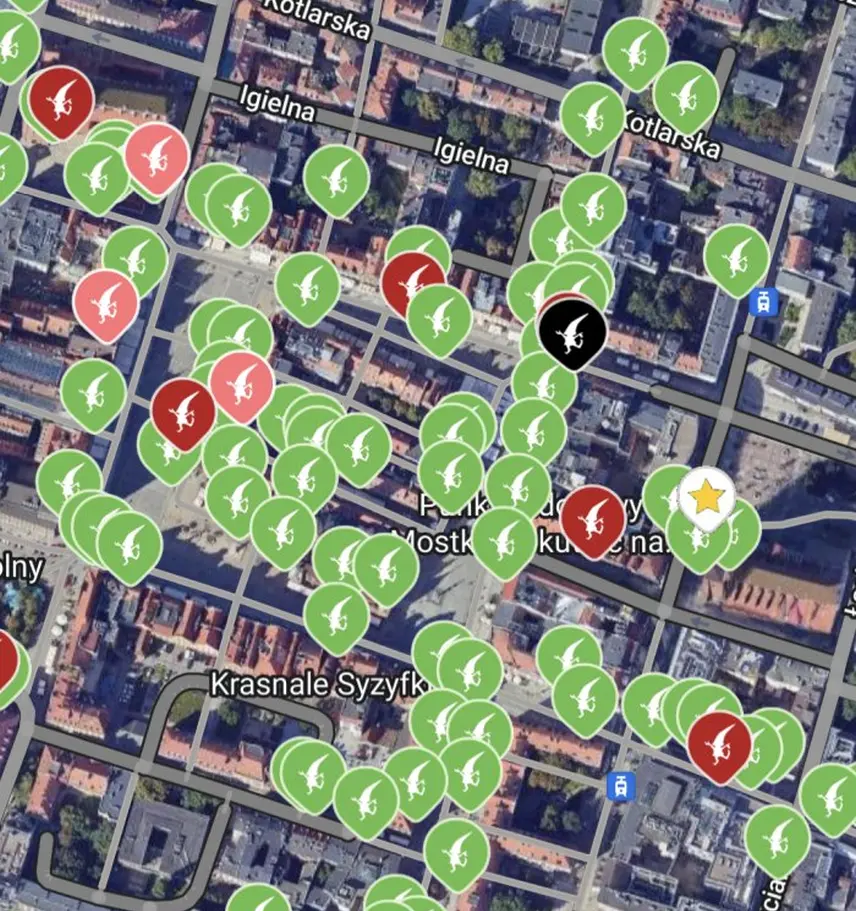
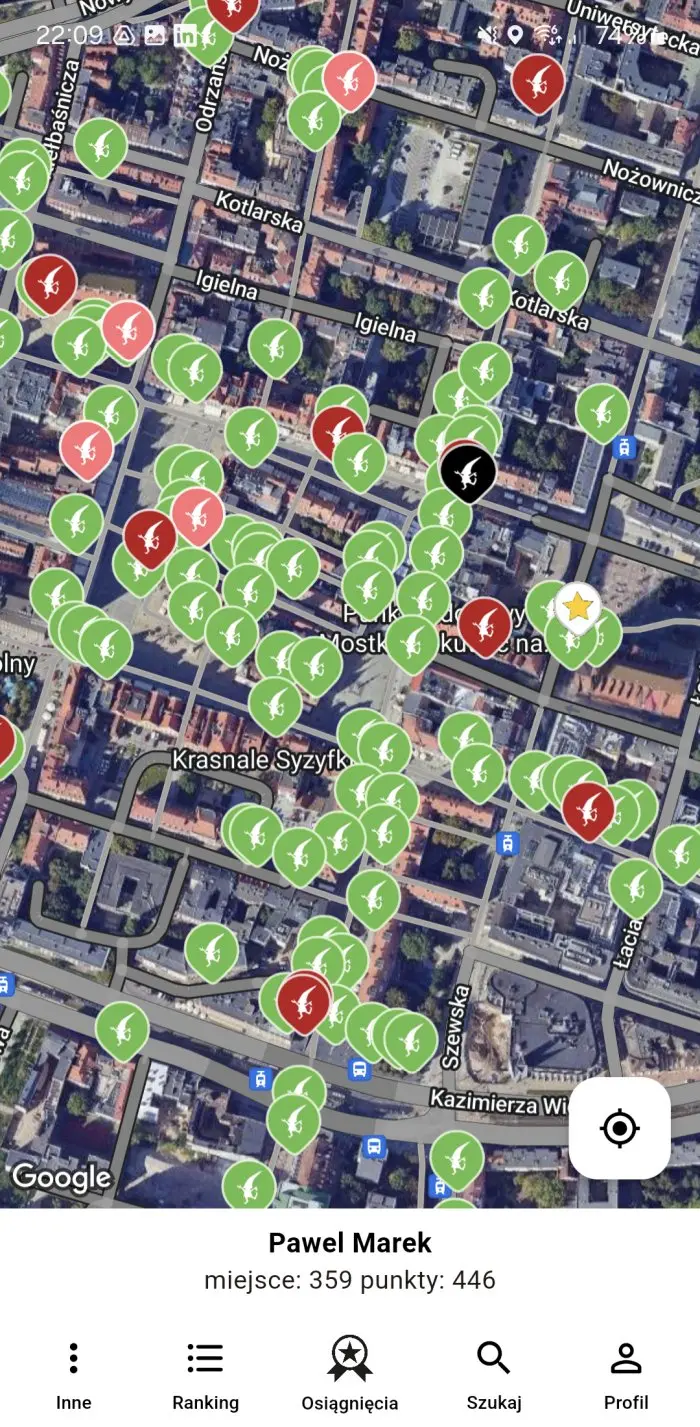
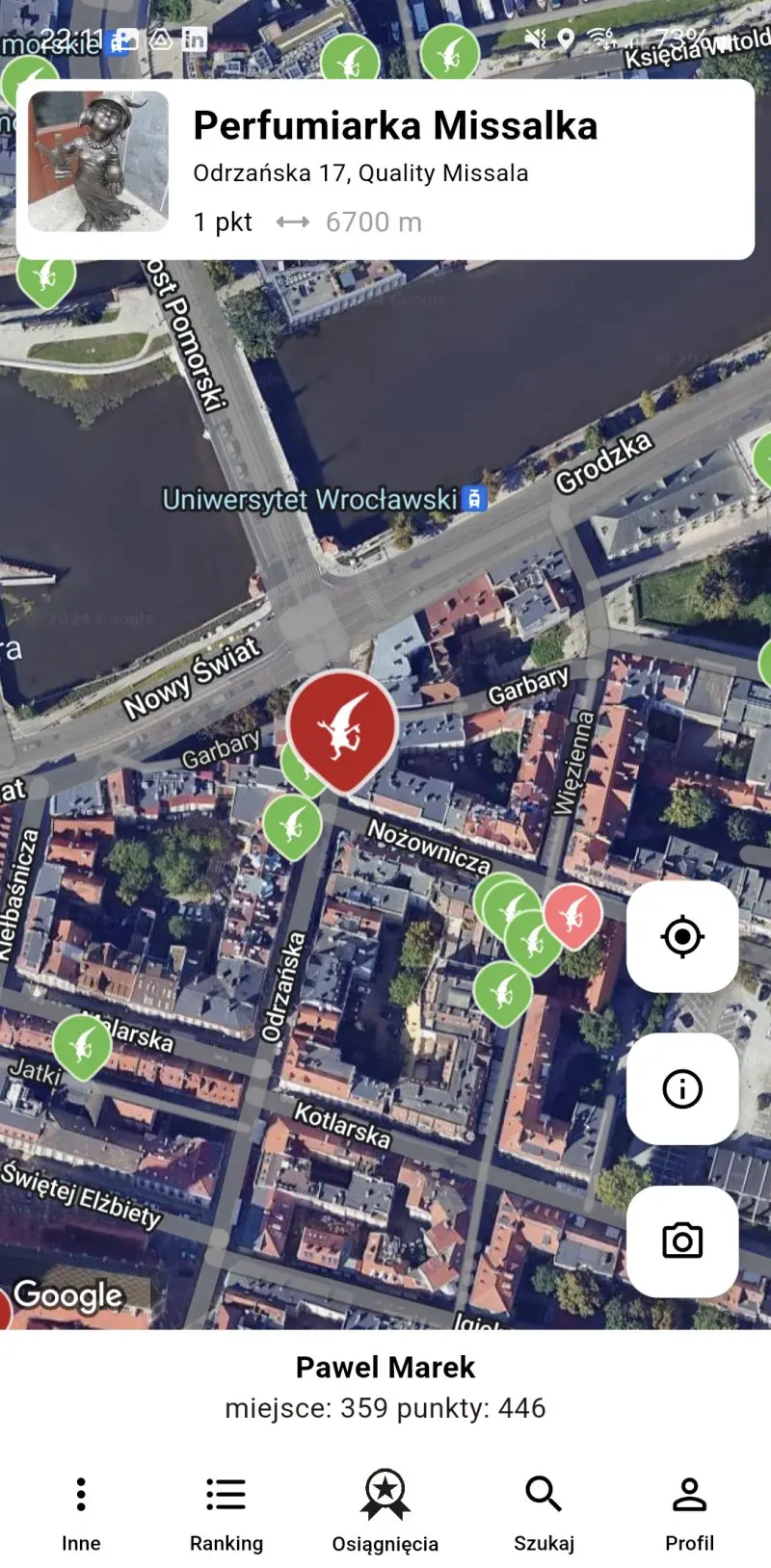
The most up-to-date, accurate, constantly updated map of all Wrocław Dwarfs. An app on your phone that will help you find all of the over 1000 dwarfs on the streets of Wrocław.
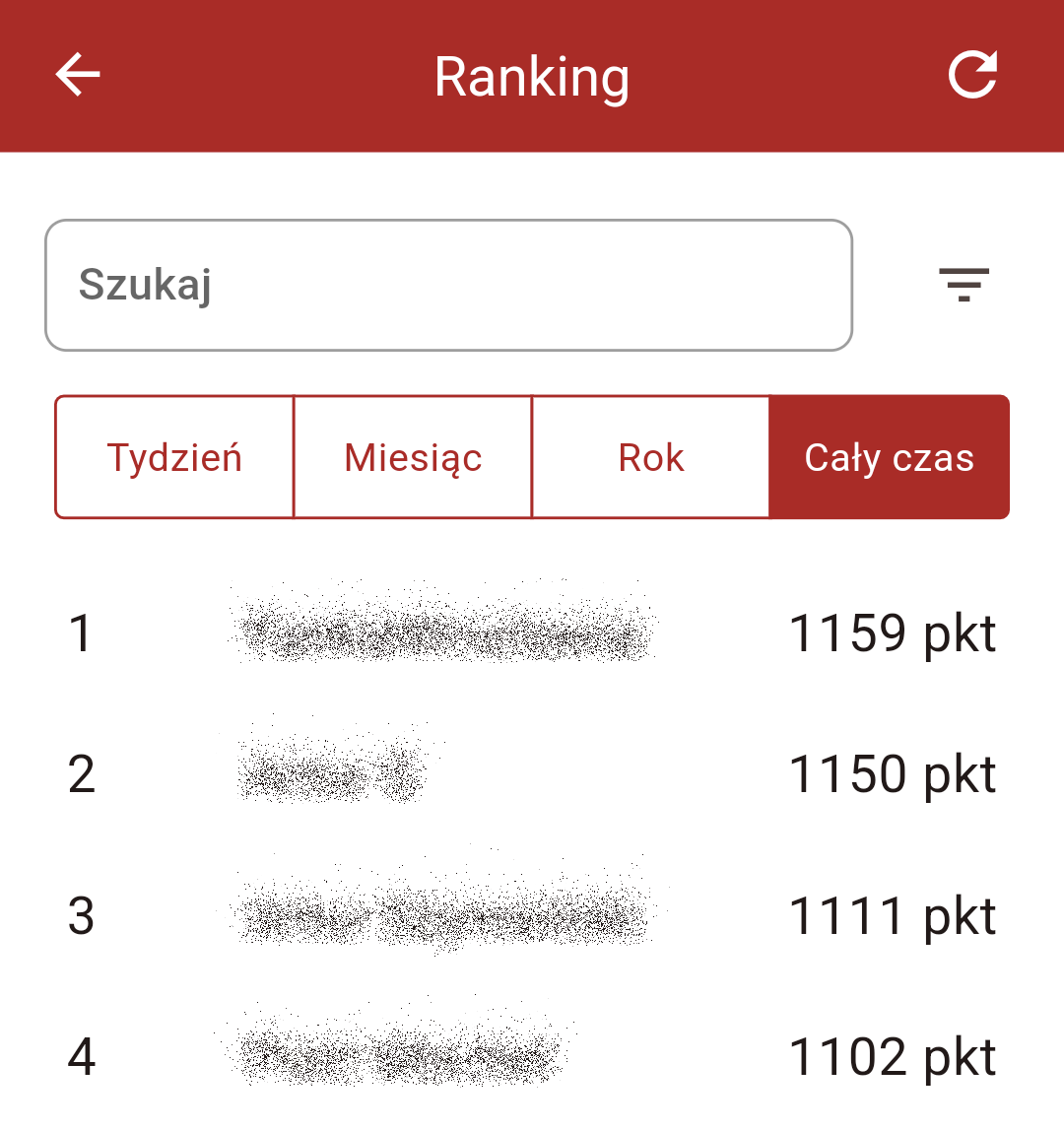
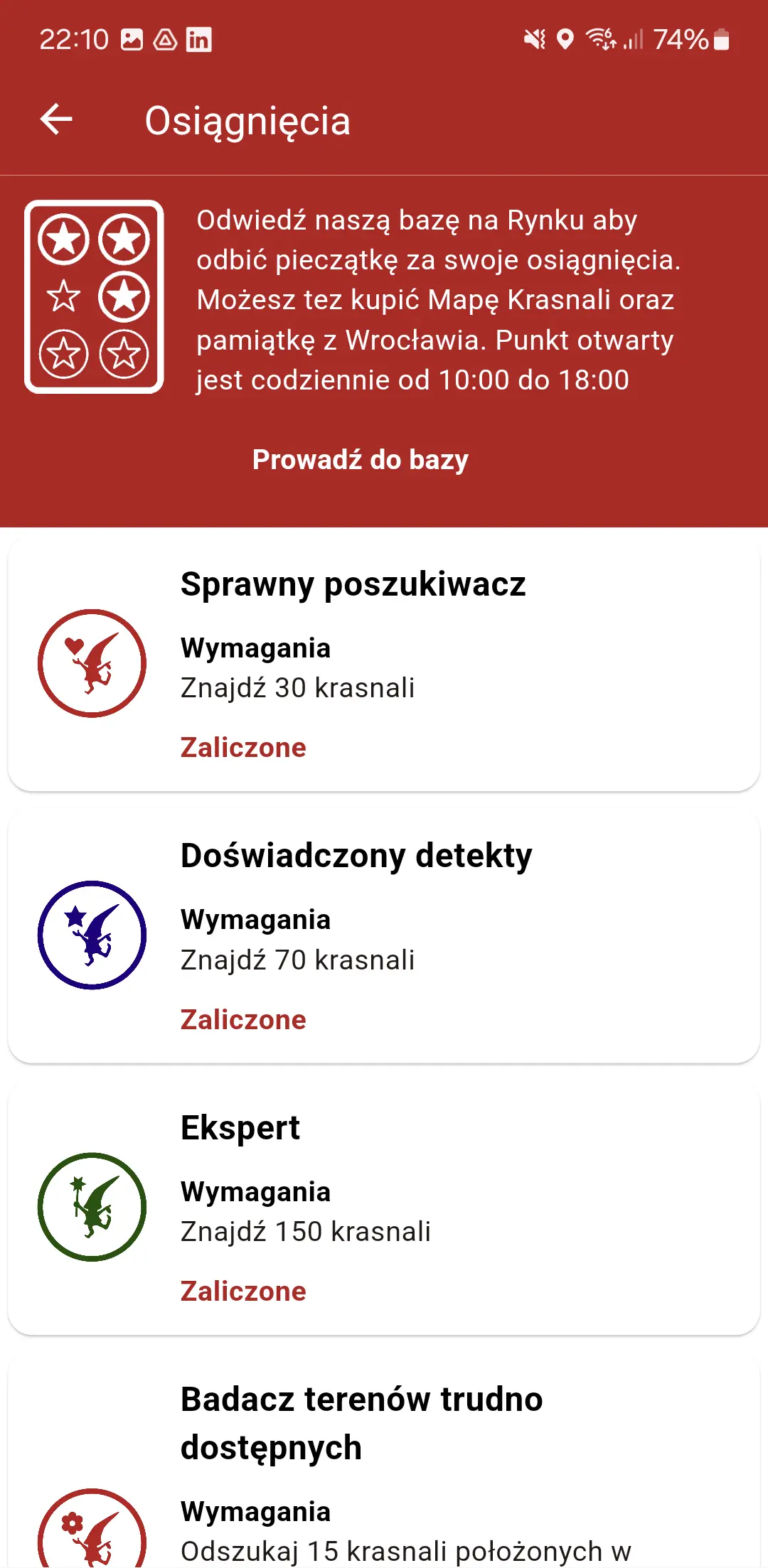
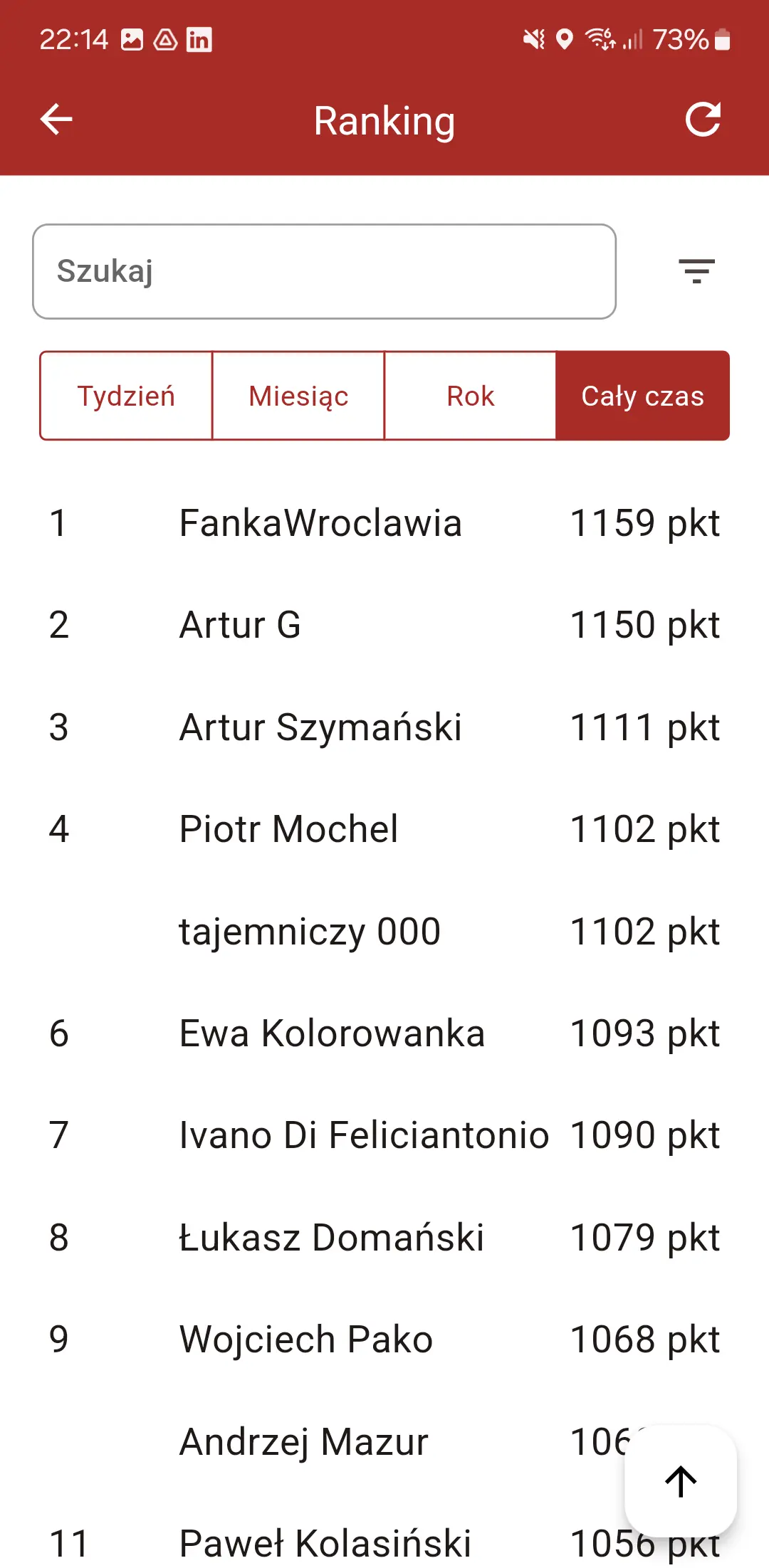
By earning points you climb the ranking and compete with other players.
Every day you compete with dozens of other seekers, whom you will certainly meet during your trip.
Look for spots where there is more than one dwarf - such a find can give you a nice advancement in the ranking!
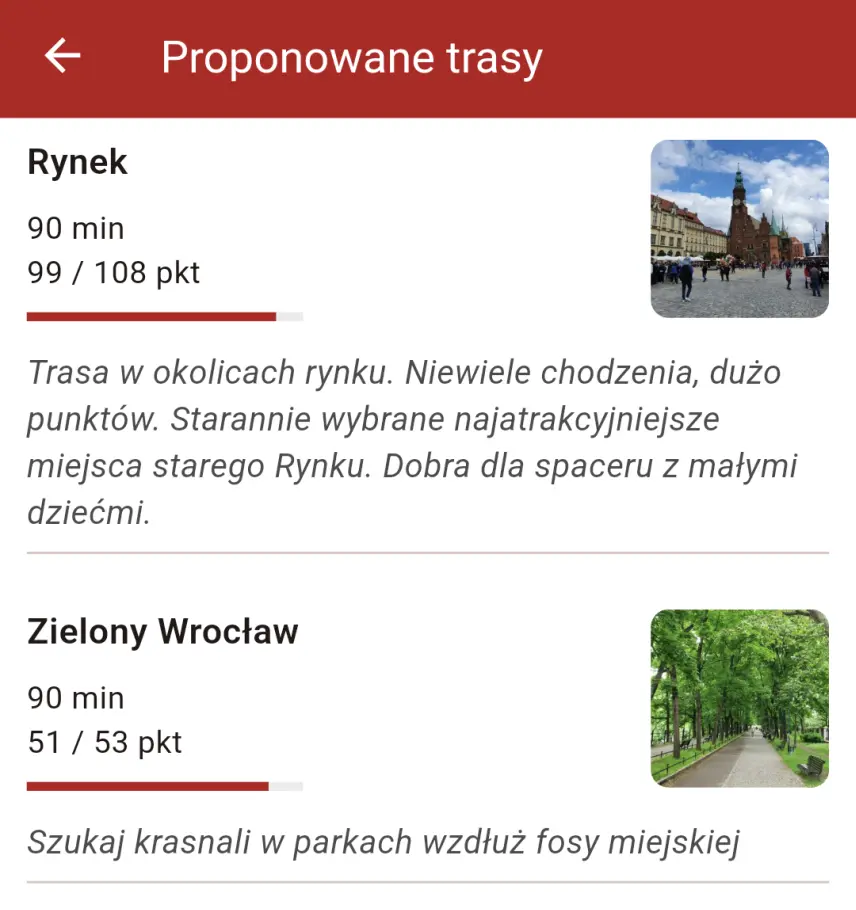
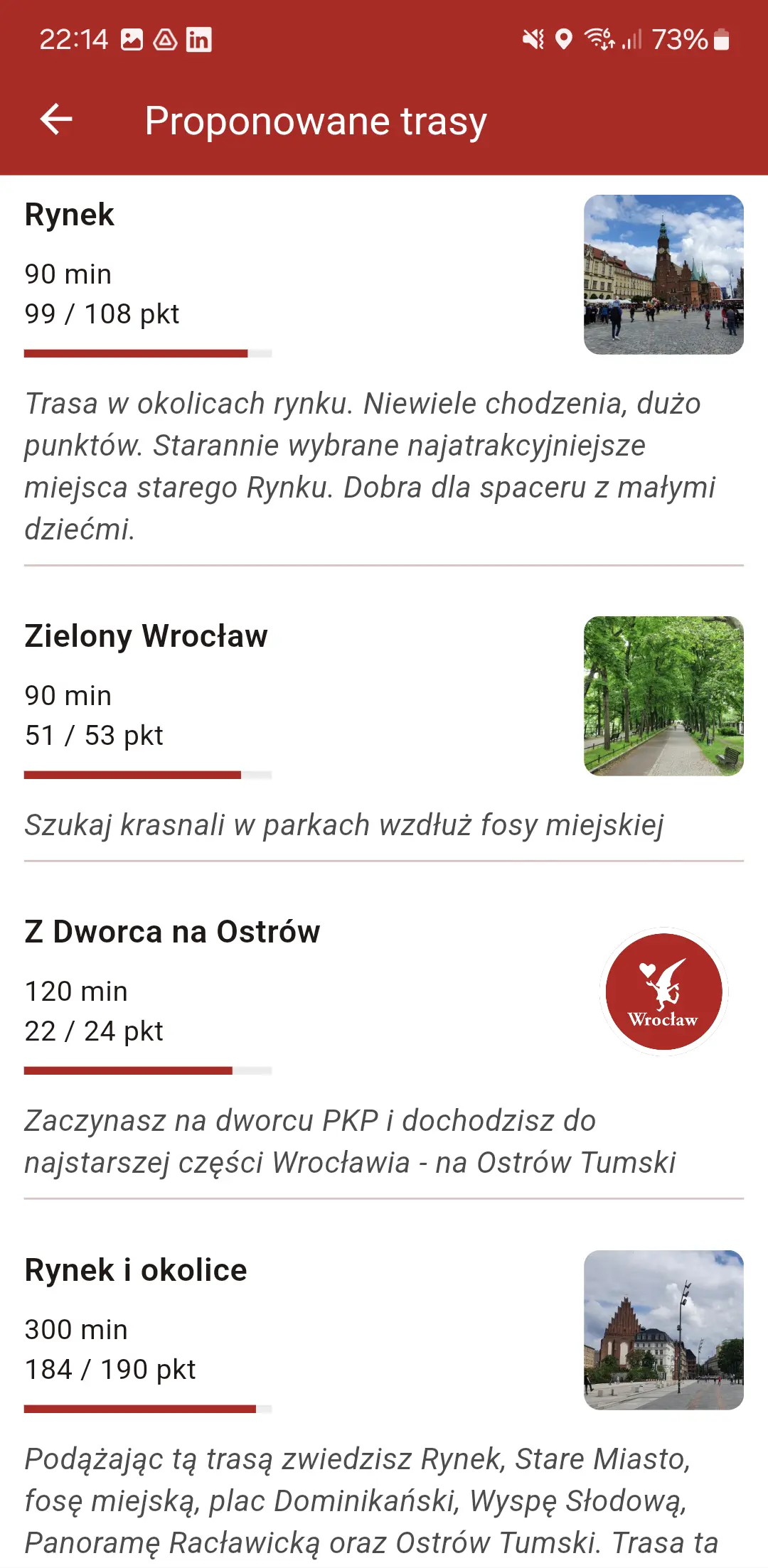
In our app you will find carefully prepared routes that will help you fully enjoy discovering Wrocław's dwarfs and the most interesting corners of the city. Each route is composed thematically, so you can choose the one that best suits your interests - from family routes, through historical ones, to those focused on quickly earning points in the game. Our route suggestions are designed with comfort and maximum use of time in mind, so we will take you through the most attractive places in the city. Whether you are a resident or a tourist, our routes will help you discover the magic of Wrocław in a unique way.
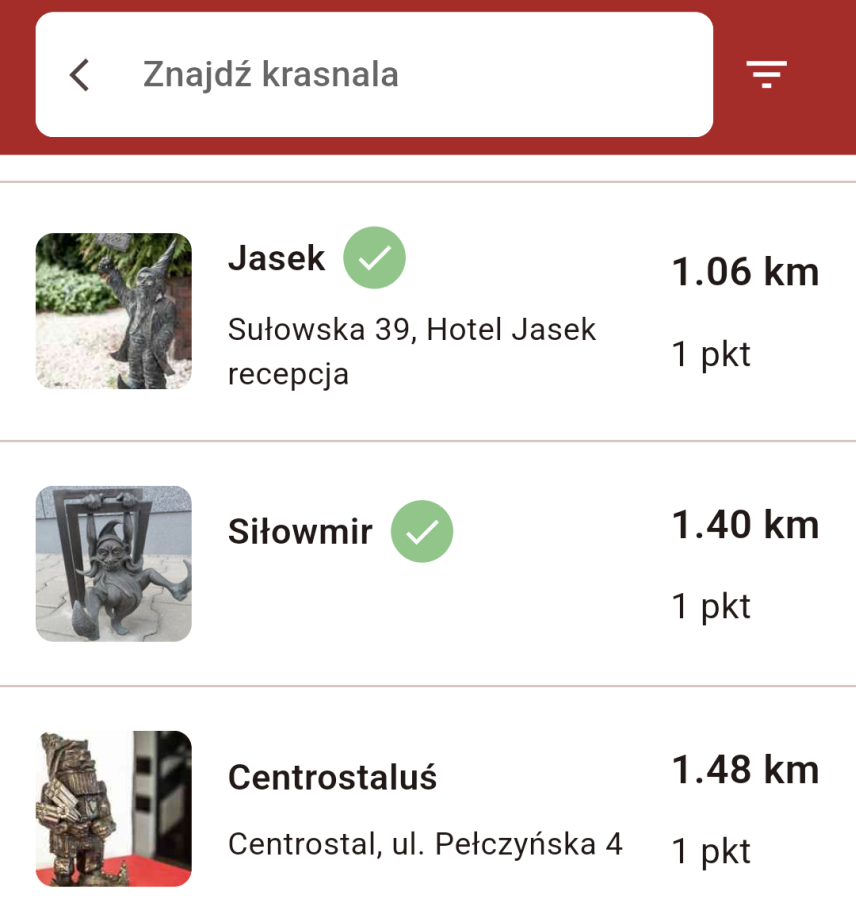
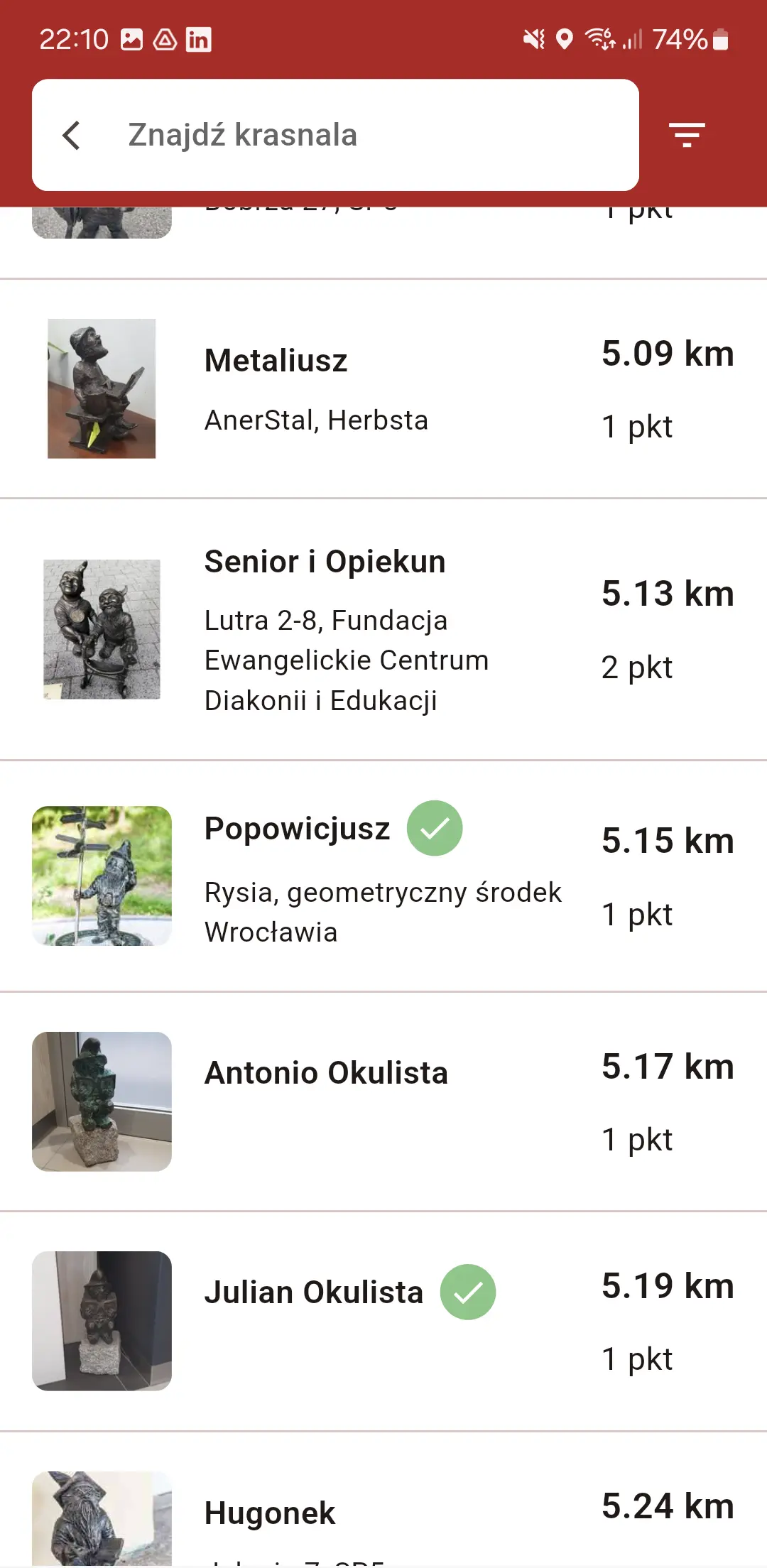
Thanks to the list of nearest dwarfs, you will always find out which one is currently closest
Just one glance at the app to find out where to direct your steps and not miss any of these unique inhabitants of Wrocław. This feature is ideal both for those who want to spontaneously discover dwarfs in their neighborhood and for those who plan effective sightseeing.
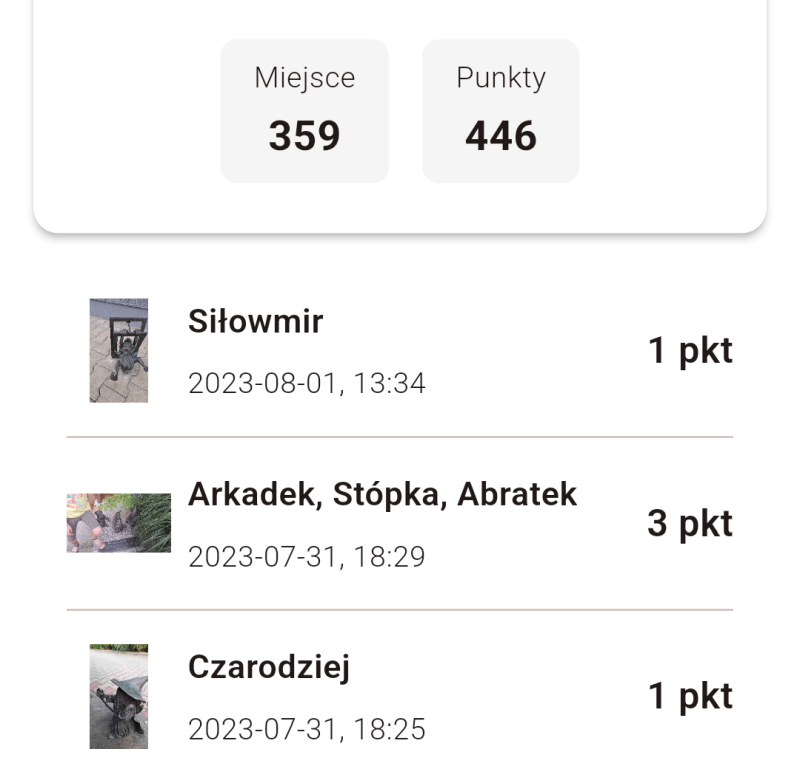
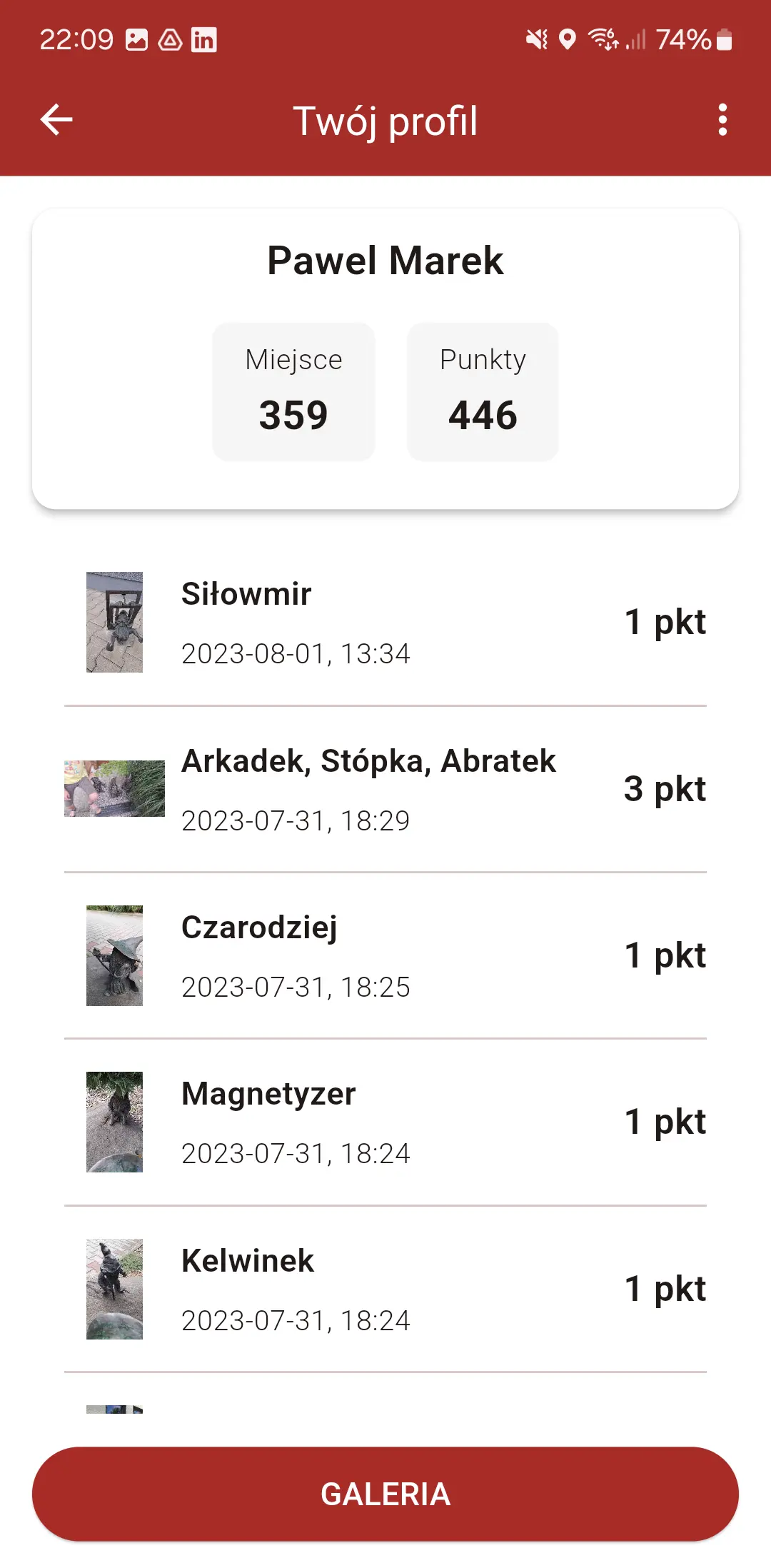
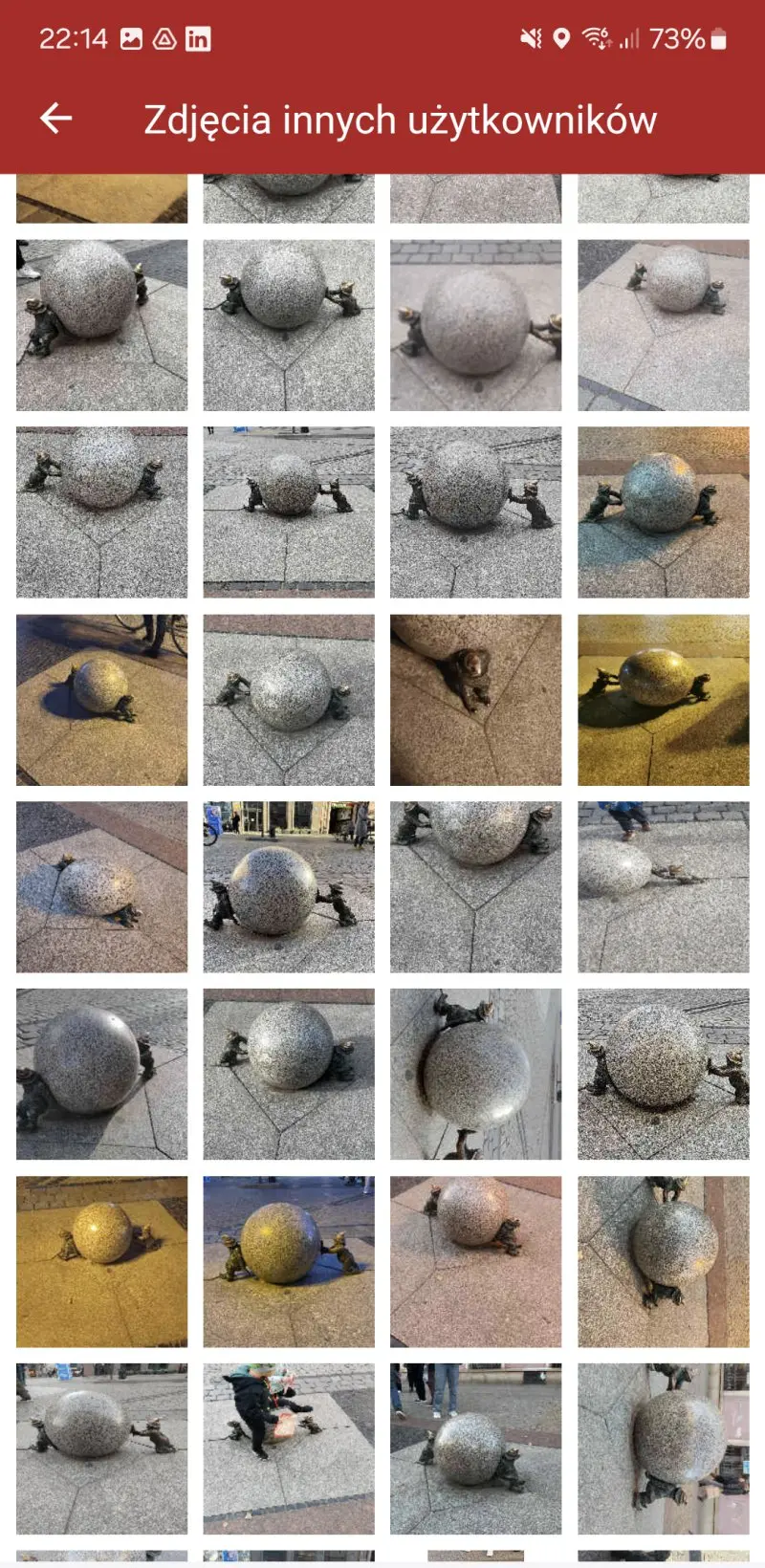
By taking photos and collecting points, you build your user profile. You can always return to visited places and memories. After changing your phone, you have access to your photos. You can also view profiles of other players.
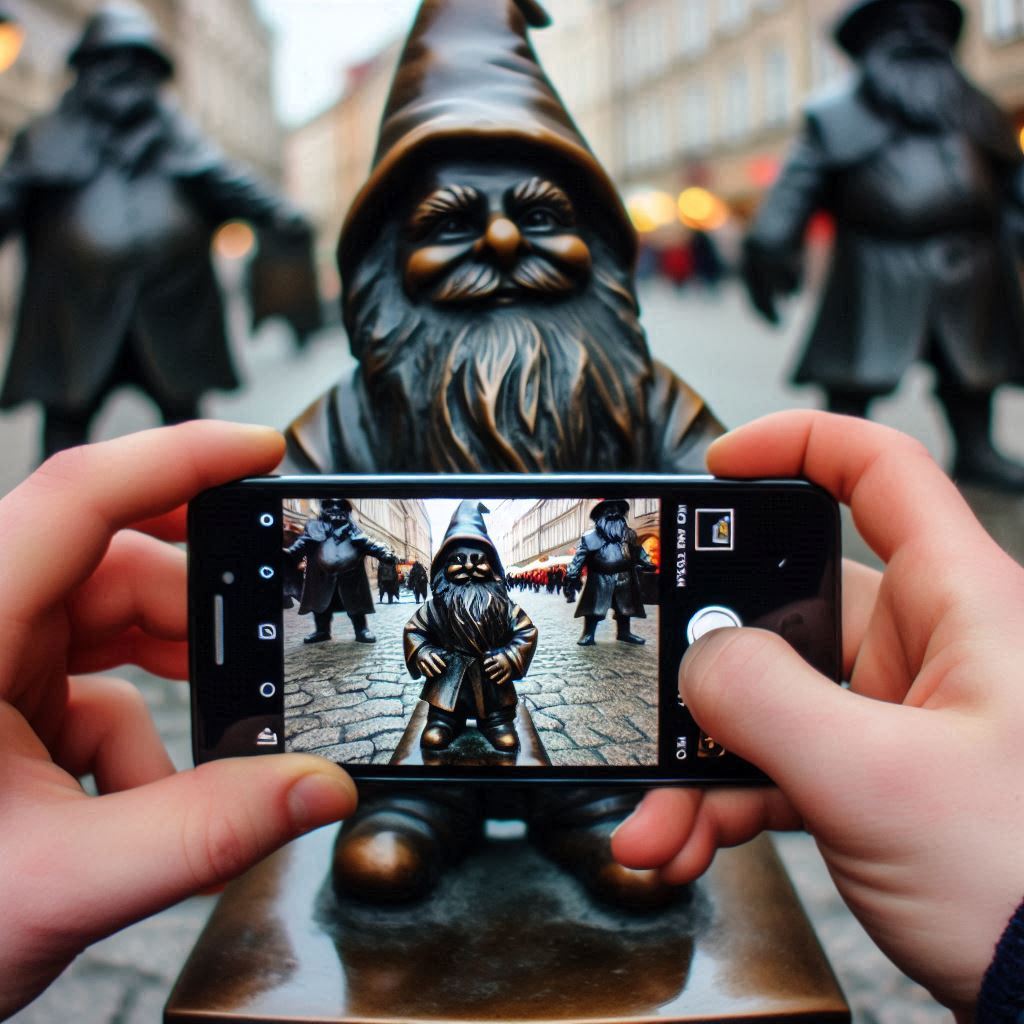
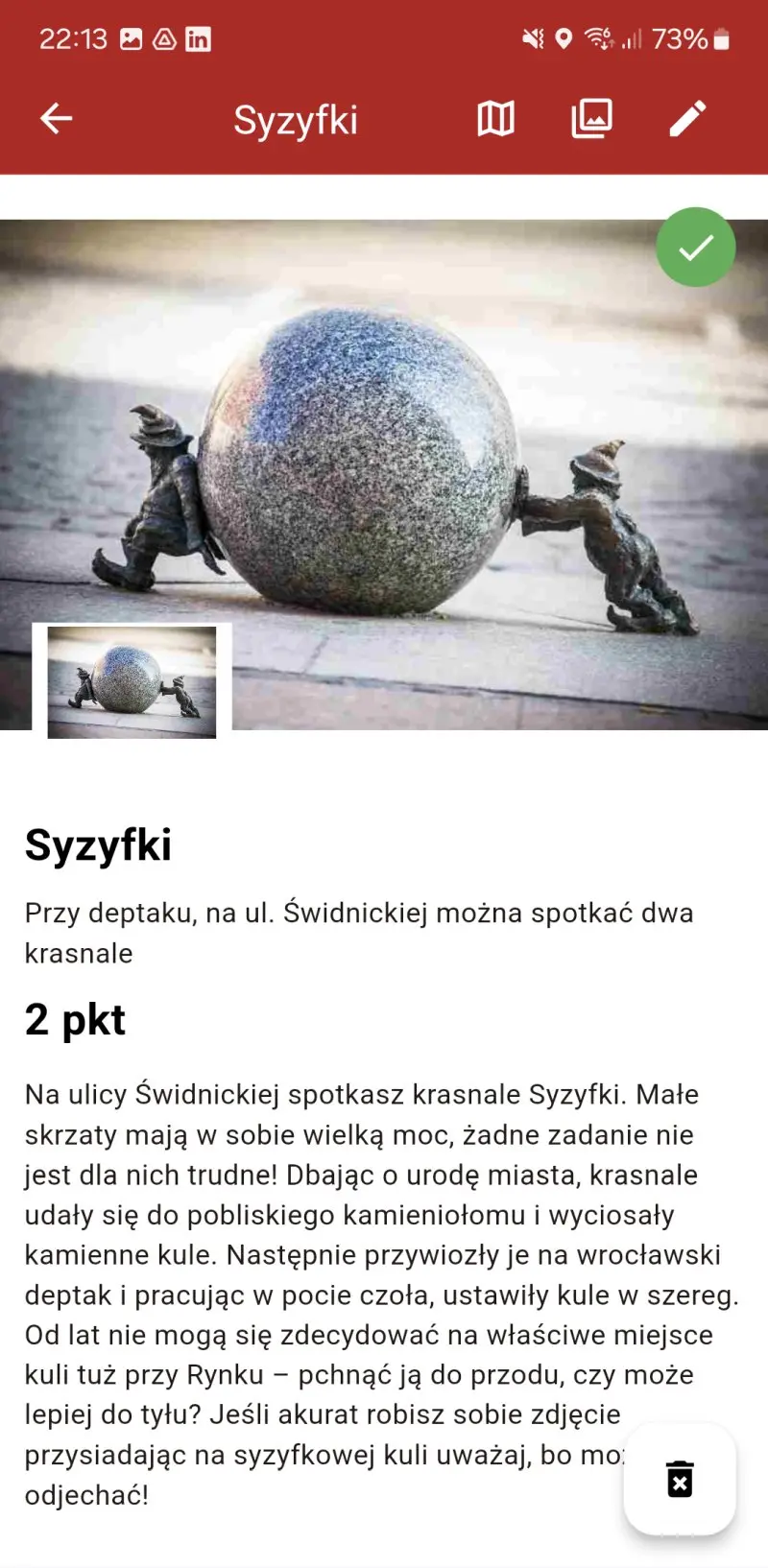
You earn points by taking photos of dwarfs. Make sure your photos are unique so that no one doubts that it's your photo. Best if the photo shows some unique object of yours (bottle cap, mascot, tip of a shoe, pencil...). You can also appear in it yourself, but remember that other players see photos from the ranking.
If you already have photos of dwarfs, you can upload them to the app from your phone's gallery and get points for them.
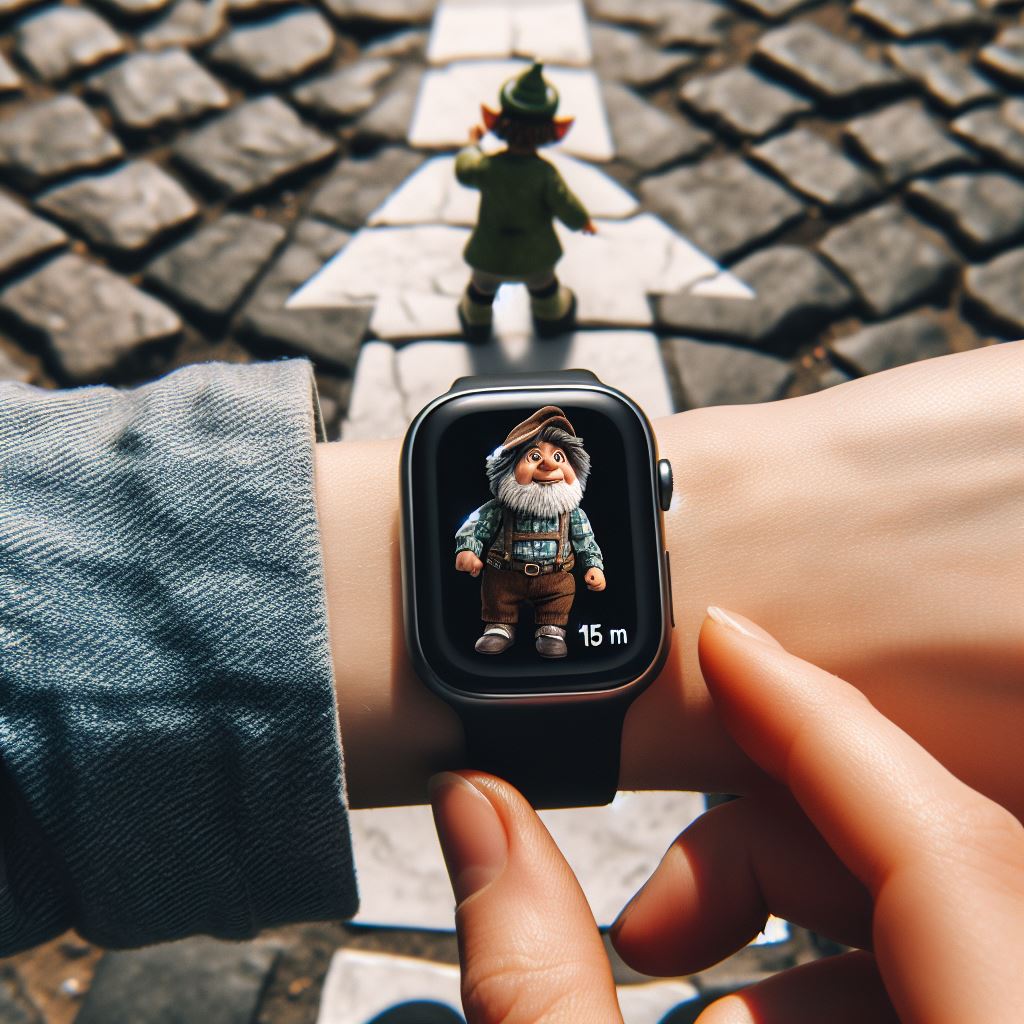
You can install our app on a watch with Wear OS (e.g. Galaxy Watch 4 or newer). You keep your phone, and the child tracks the next dwarf on the watch :)

Interested in advertising in the app? We have an offer for you: See offer
Want to talk?
Call or write:
pawel@harmonycode.pl
+48 501 234 502
Are you organizing a group visit to Wrocław and planning to search for dwarfs? To ensure everyone can install the app on their phone without providing credit cards etc. - you can buy Google Play and AppStore gift cards for 20 PLN and send them to participants. Everyone will use one card and download the app with these funds.
You can buy cards here:
If you need help with purchasing, using or distributing them - write to us. We can issue an invoice for purchased cards.
Anyone can. Commission one of the local sculptors to produce the figurine. You can easily find contacts online. Install it on property that belongs to you and contact us to have it added to the app. That's all :)
In 2025, the number of dwarfs is 1170 and continues to grow.
Not all can be found in Wrocław. Some are located outside the city, and even outside Poland. Some were gifted by the city to local governments of other cities, some are placed in various locations by grassroots initiatives. They all share the same style and are made by local sculptors.
The Wrocław dwarfs have their roots in the Polish resistance movement against the communist regime, particularly in the activities of the "Orange Alternative". The Orange Alternative was a satirical movement that began its activities in the 1980s. It used an absurd and humorous way of expressing opposition to the communist authorities of that time. One of the symbols of the Orange Alternative was a dwarf. In 1982, the movement organized the "Dwarfs Revolution", during which members painted graffiti in the shape of dwarfs on walls, covering up propaganda slogans of the authorities. Dwarfs became a symbol of resistance and disagreement with the repressive methods used by the communist government. In 2001, Wrocław sculptor Tomasz Moczek created the first three bronze dwarfs commissioned by the city authorities to commemorate the history of the Orange Alternative. Since then, the number of dwarfs in Wrocław has begun to grow, and these small sculptures have become not only a symbol of the resistance movement, but also a tourist attraction and one of the most characteristic elements of the city. Currently there are over 1170 dwarfs, which are maintained in various styles and represent different characters, professions and situations, reflecting the creativity and spirit of the city.
Yes, in Zielona Góra you can collect Bachusiki, in Krakow Dragons , and in Katowice Beboki. Points earned in all these games combine into one common ranking.
In 2025, we also prepared our newest app Small Legends, which already includes over 70 cities and towns throughout Poland. These are usually smaller trails, sometimes with just a few figurines, but allowing you to explore and have fun in many corners of our beautiful country.
Using the Wrocław Dwarfs app is very simple:
You can also use ready-made thematic routes or search for dwarfs according to your own plan. Every photo is moderated, so we care about safety and culture in the app.
Download the app and get ready for the search